Physical evidence can play an important role in understanding what happened during an incident, dispute, suspicious activity, or investigation. Objects, materials, traces, documents, personal belongings, and other physical items may contain information that helps establish connections, identify inconsistencies, or support an investigative timeline.
TrackEye provides professional Physical Evidence Examination Services to assist individuals, businesses, legal professionals, and organizations in examining and documenting relevant physical evidence. Our investigation-focused approach is designed to help identify, preserve, organize, and interpret available evidence within appropriate investigative and legal boundaries.
The examination process depends on the nature of the case and the type of evidence involved. Where specialized laboratory testing or expert scientific analysis is required, such work should be performed by appropriately qualified forensic laboratories or specialists.
Our Physical Evidence Examination Services
Identification & Documentation of Physical Evidence
The first step in examining physical evidence is understanding what is available and how it may relate to the investigation. Our investigators can assist in identifying potentially relevant objects, materials, items, or traces and documenting their condition and surrounding circumstances.
Photographs, descriptions, observations, locations, and other relevant details can be recorded to create a clearer understanding of the evidence. Proper documentation can also help maintain a consistent record of the investigative process.
Evidence Collection & Preservation Support
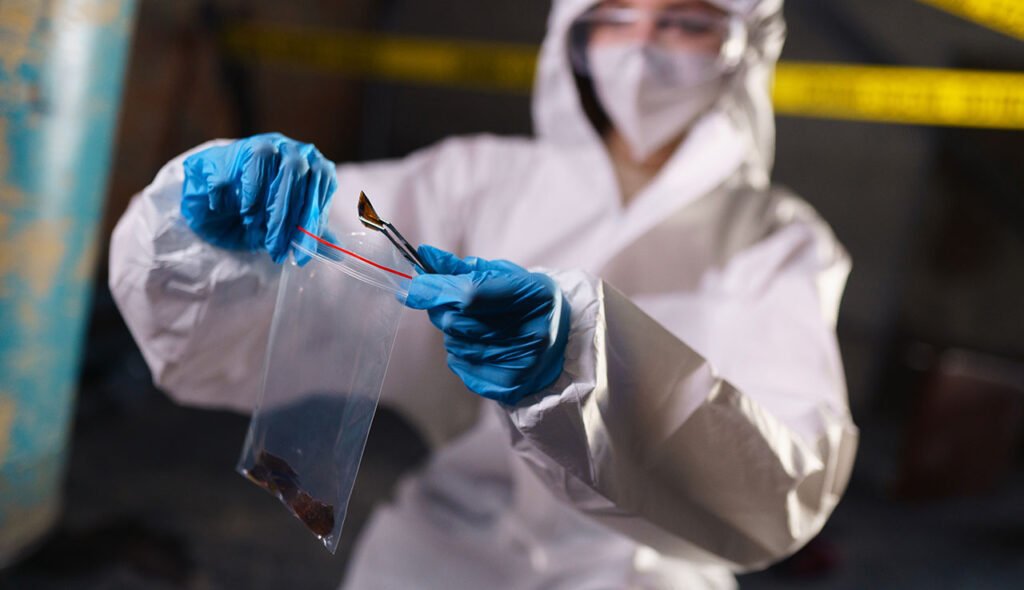
Physical evidence can lose its value if it is damaged, contaminated, misplaced, or improperly handled. TrackEye provides investigation support for the appropriate identification and preservation of relevant evidence.
Depending on the circumstances, this may include documenting the original condition of an item, recording where and when it was located, maintaining relevant details, and advising on appropriate handling or specialist examination.
When laboratory-level examination is required, evidence can be referred to qualified forensic professionals or laboratories as appropriate.